



Basic Setup Instructions!
Basic Collection
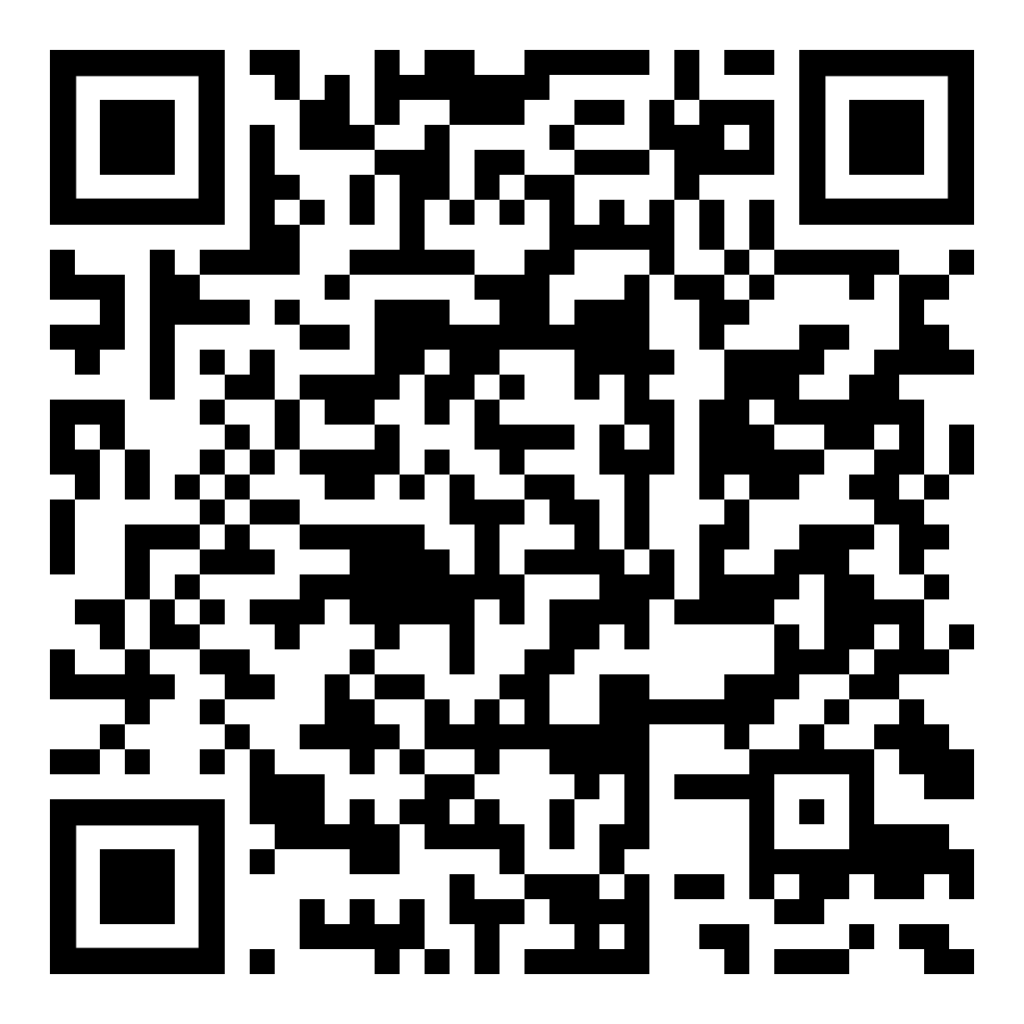
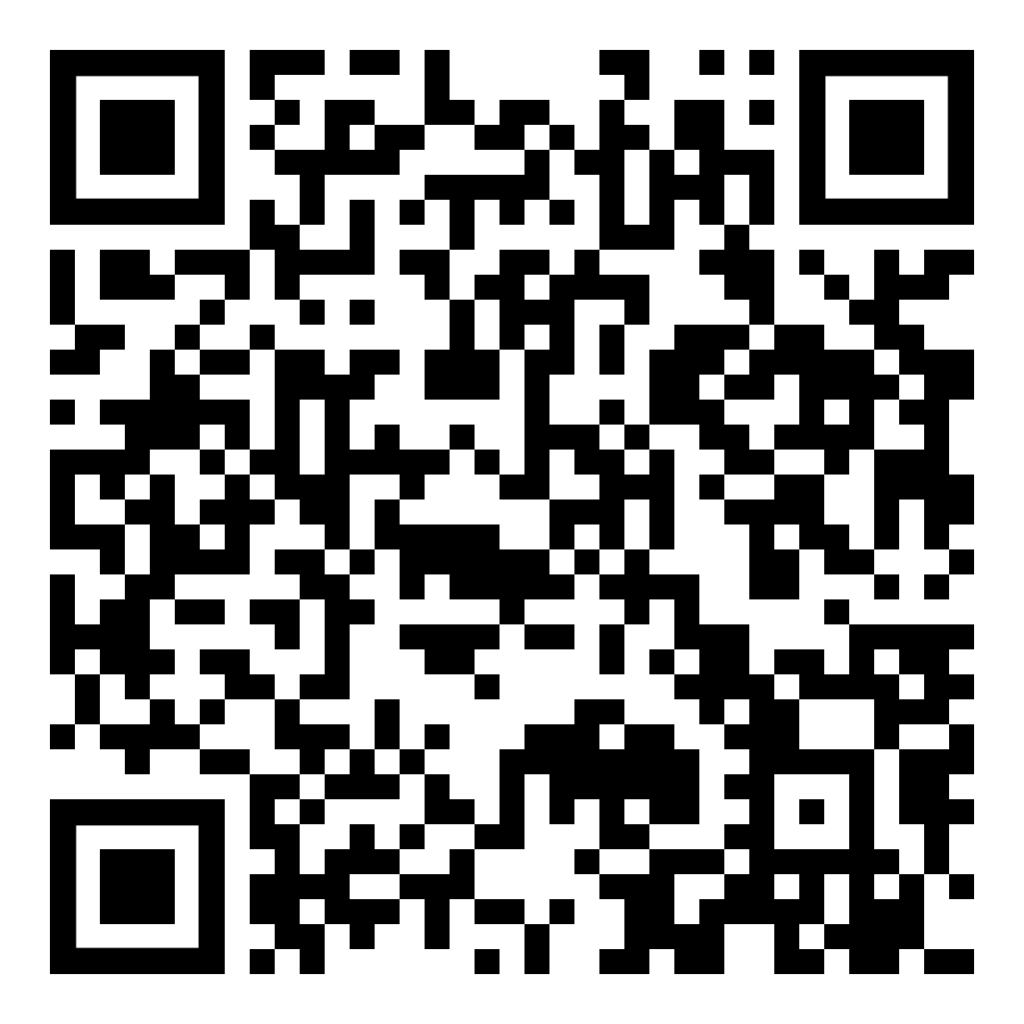
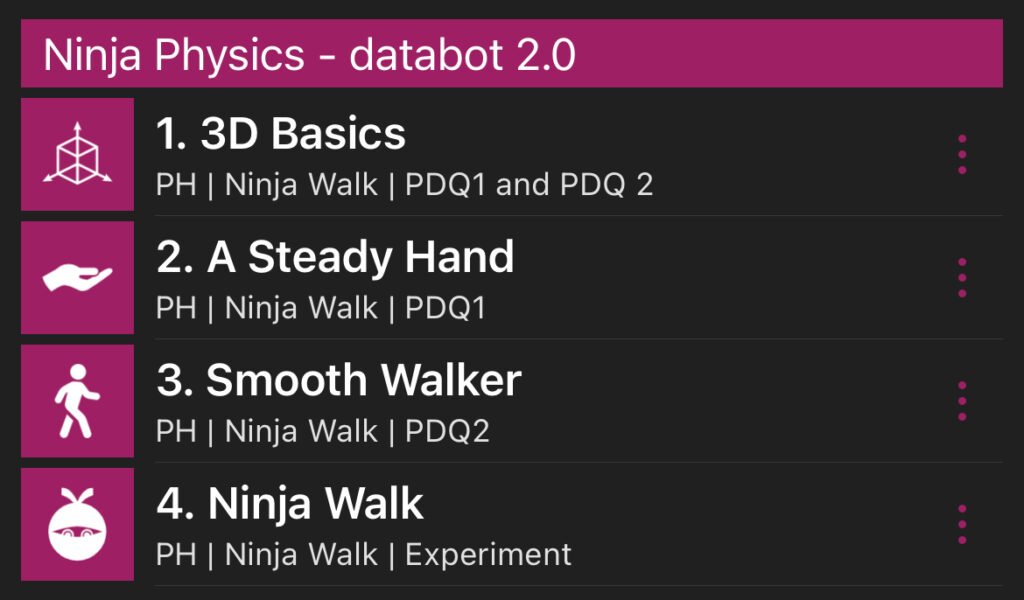
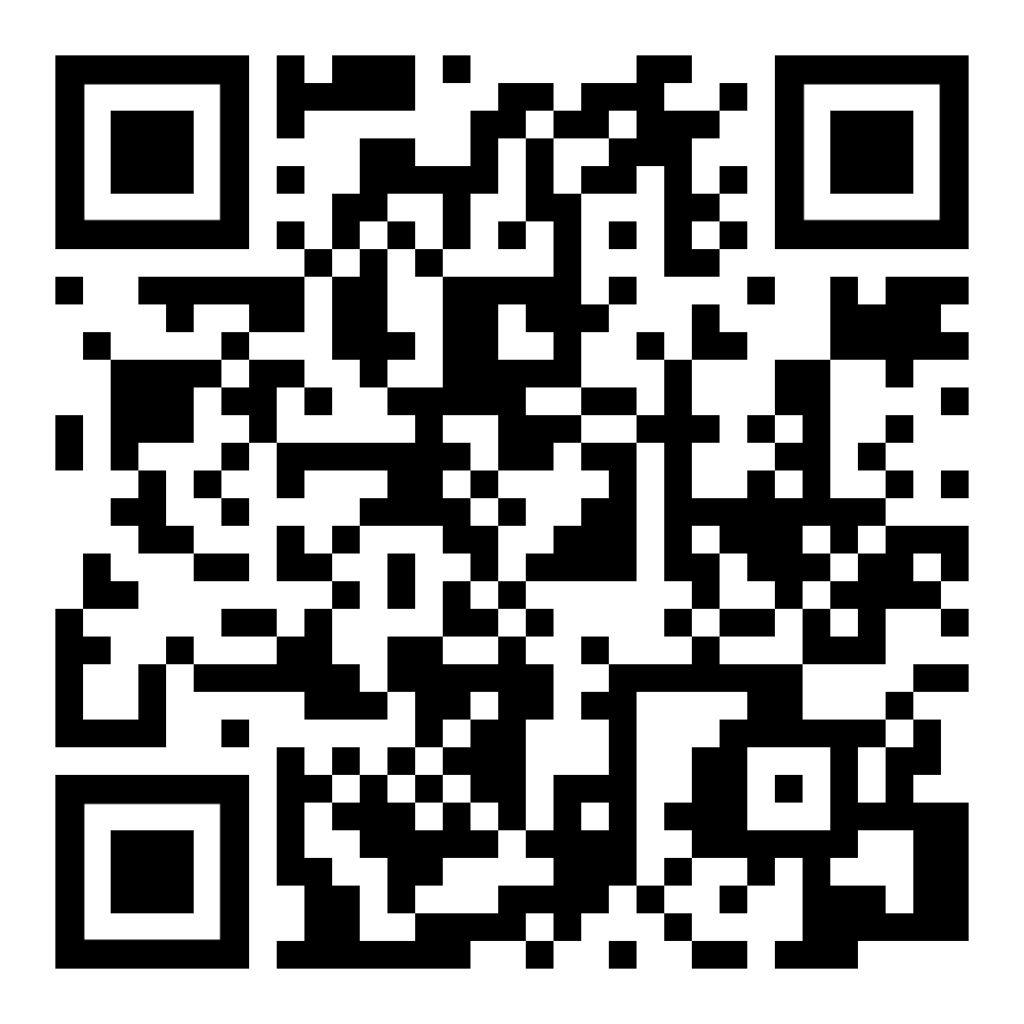
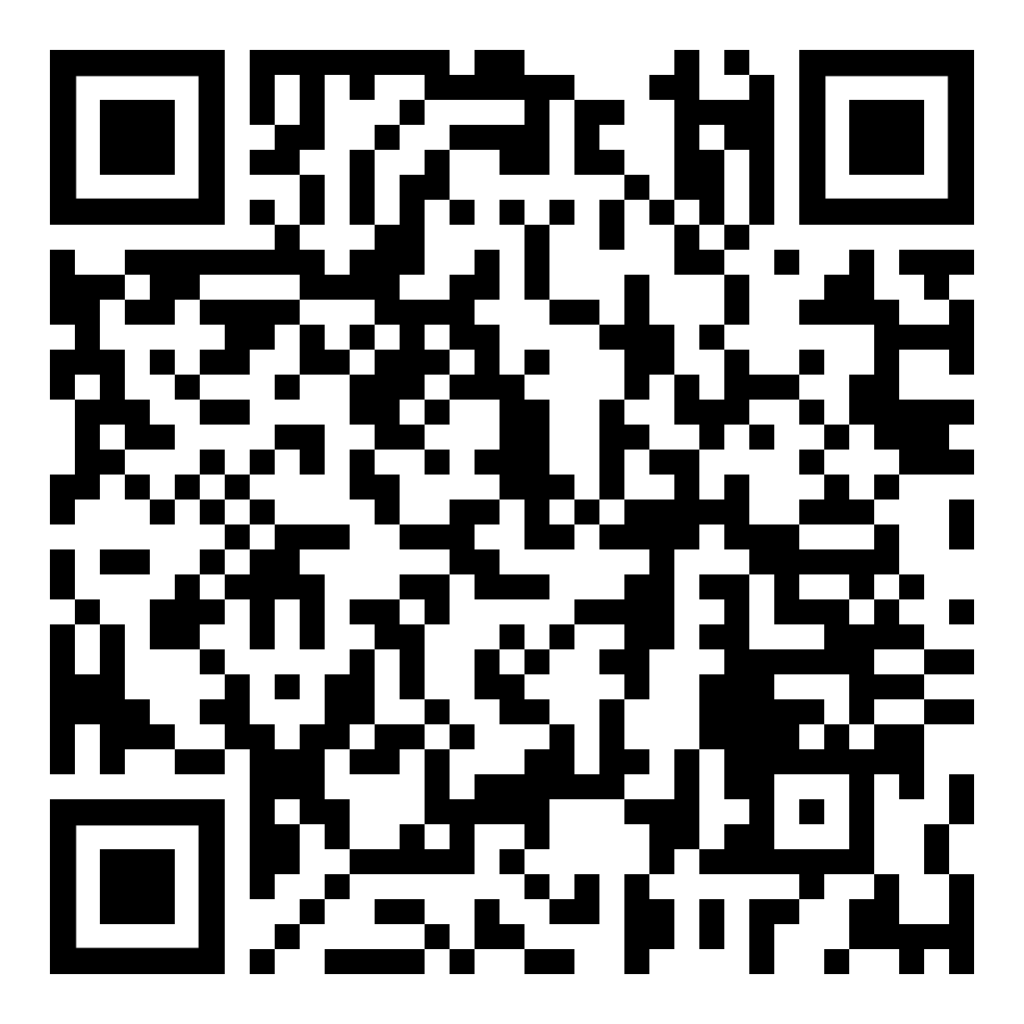
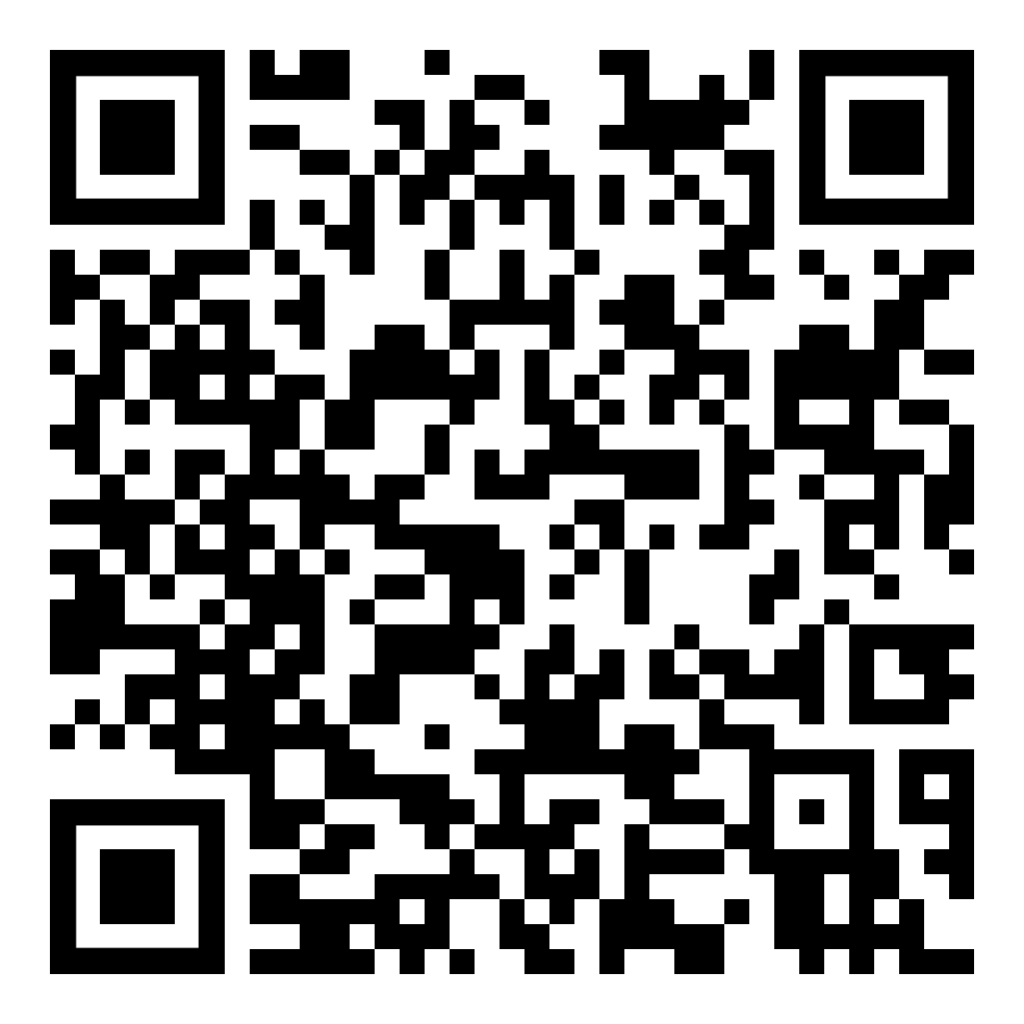
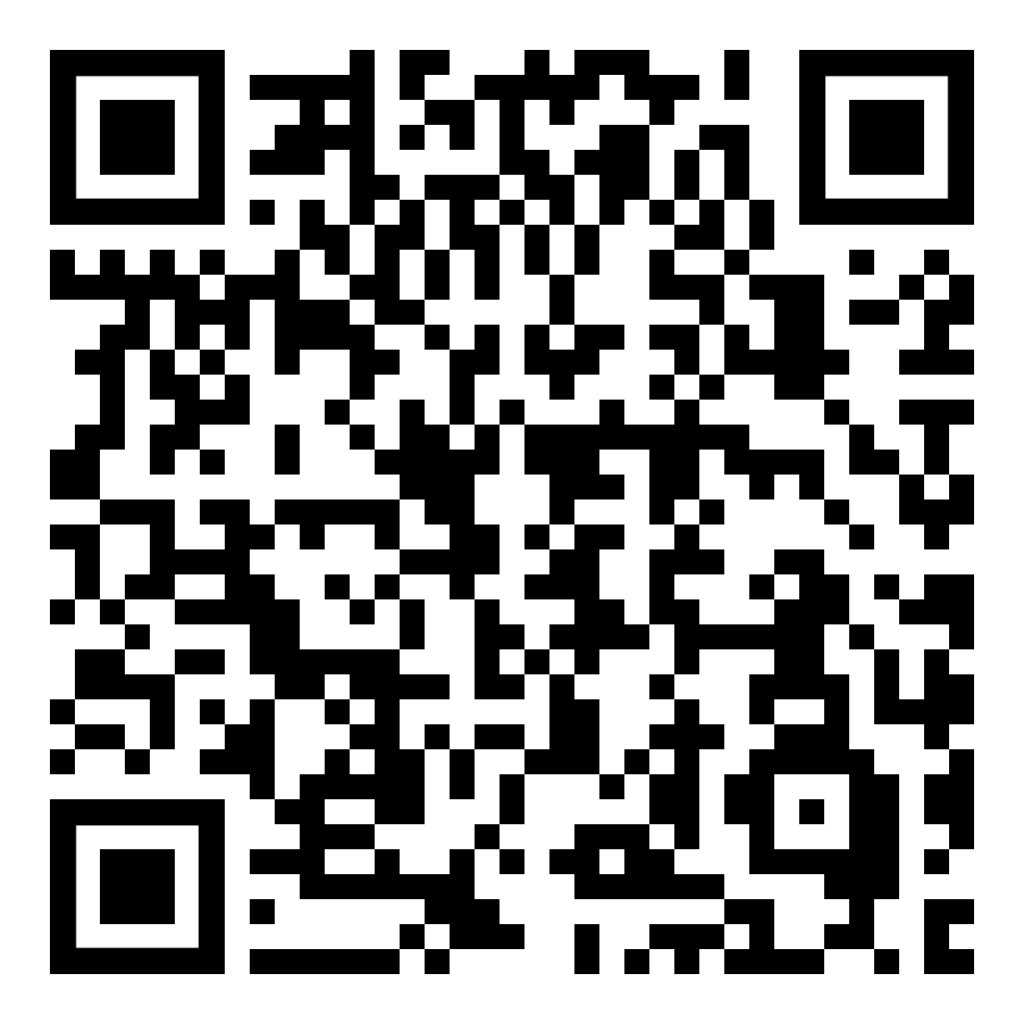
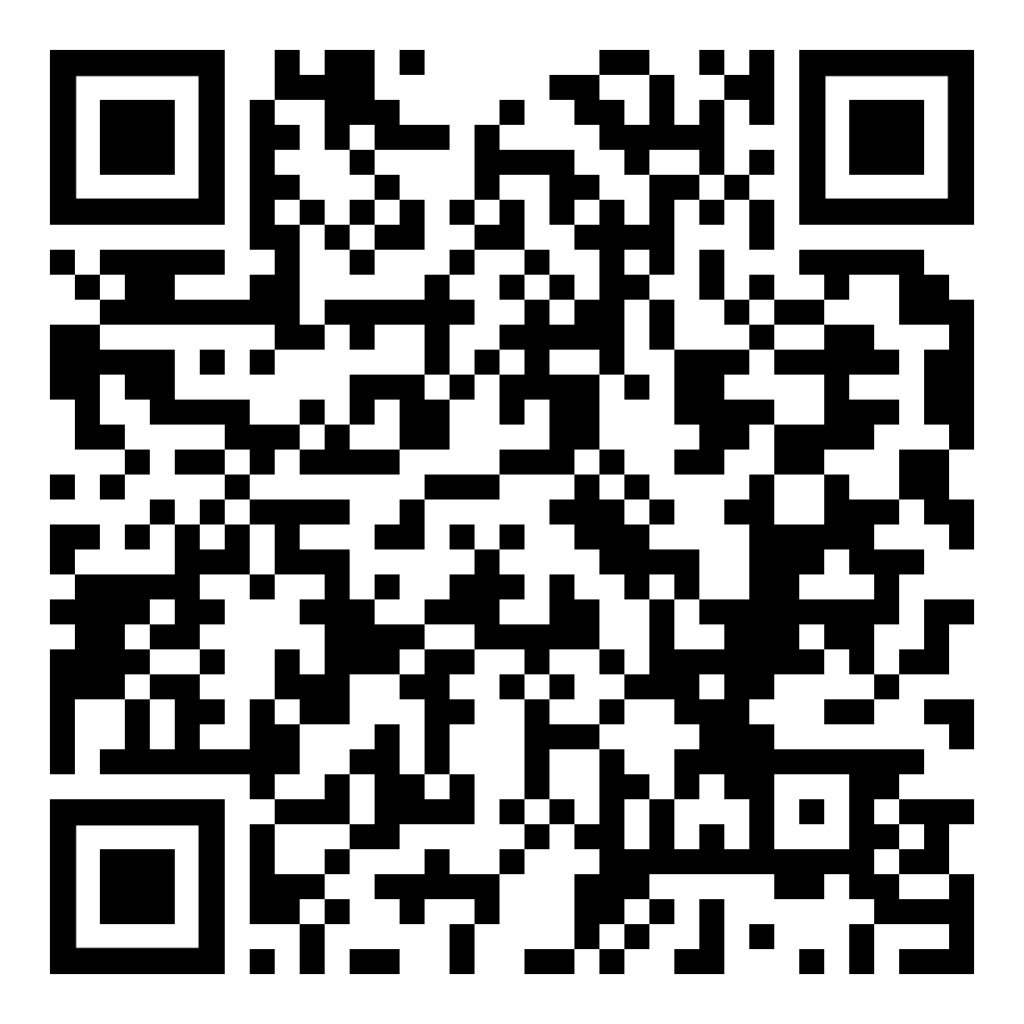
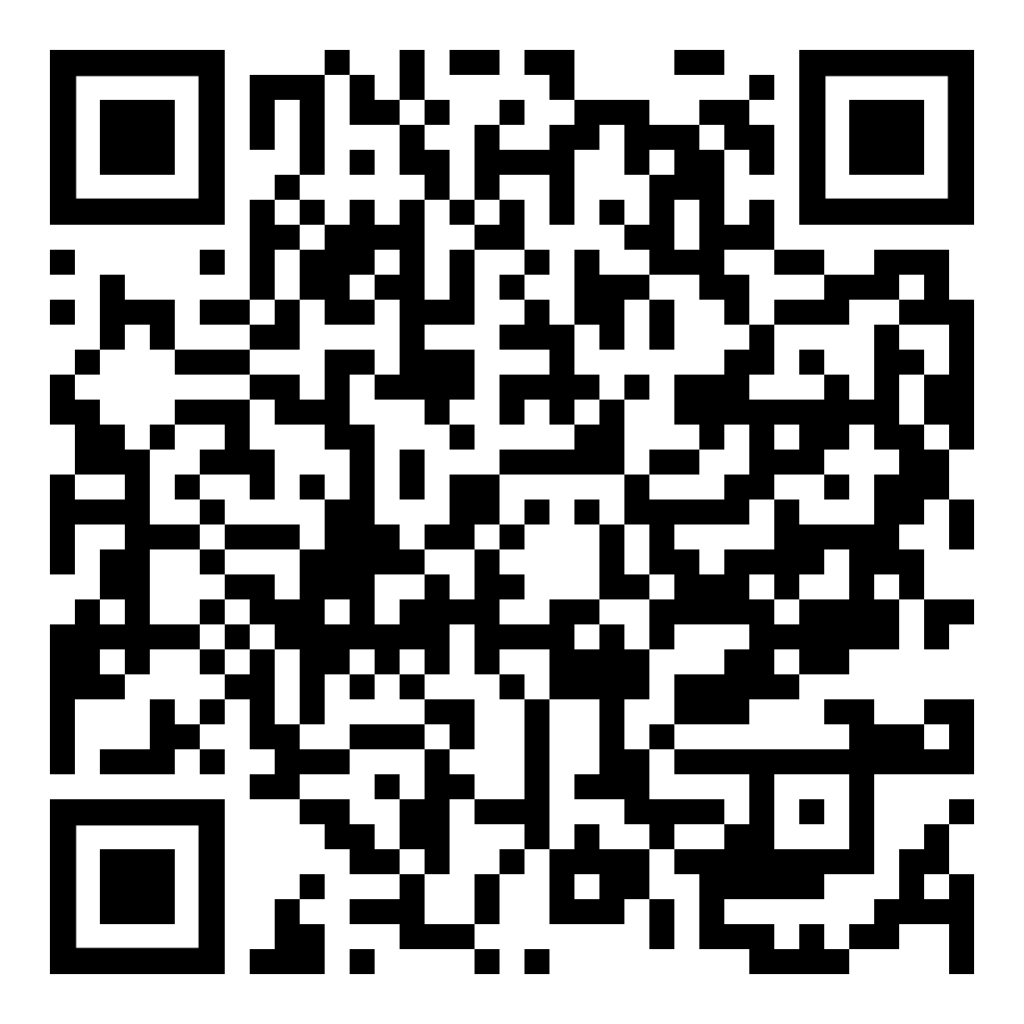
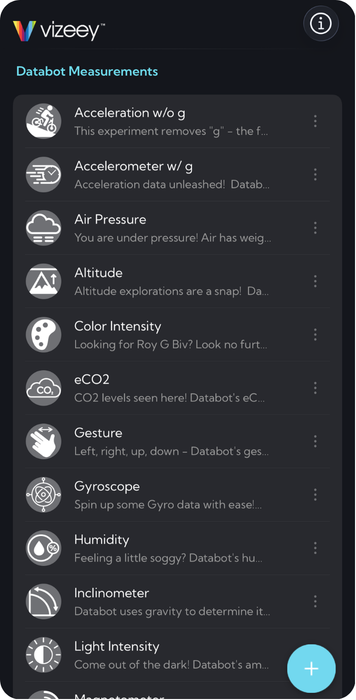
Scan this QR code to load a complete set of experiments for collecting data with each individual sensor. More experiments are below in this library. Visit the databot training page to learn more.
General Science
databot™ Sensor
Experiments for databot here
This is the full collection of experiments for accessing all of the individual databot sensors. Start learning how to use them all by doing the databot™ Sensor Starter lessons.
System Tools
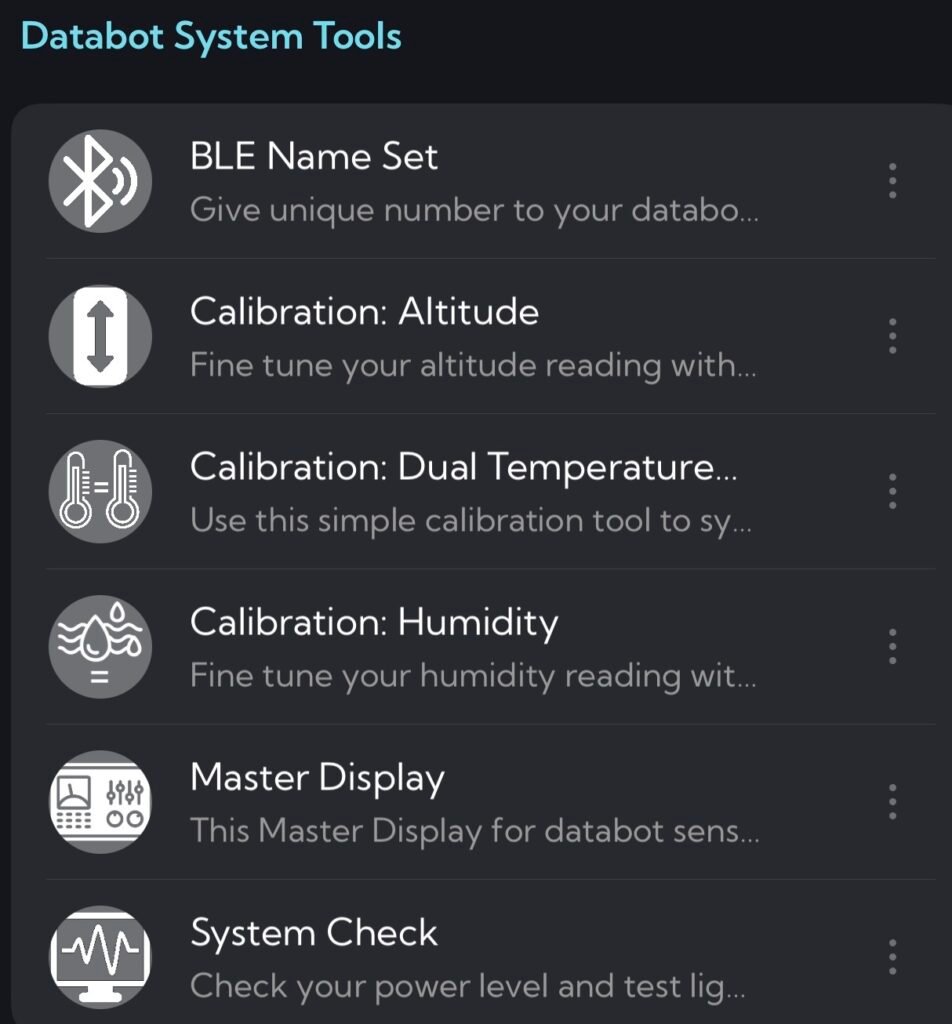
Basic System Tools
- The System Check Station:
Run a full diagnostic to verify firmware version, test light and sound features, and identify your device ID—ensuring your Databot is ready for experiments. - The Identifier Customizer:
Easily change your device identifier to keep track of multiple Databots, making organization simple in group or classroom settings. - The Humidity Calibration Lab:
Calibrate the humidity sensor to improve accuracy, ensuring reliable environmental measurements in all your experiments. - The Altitude Adjuster:
Fine-tune altitude readings by calibrating the sensor for your current location, helping you get more precise pressure-based measurements. - The Temperature Sync Tool:
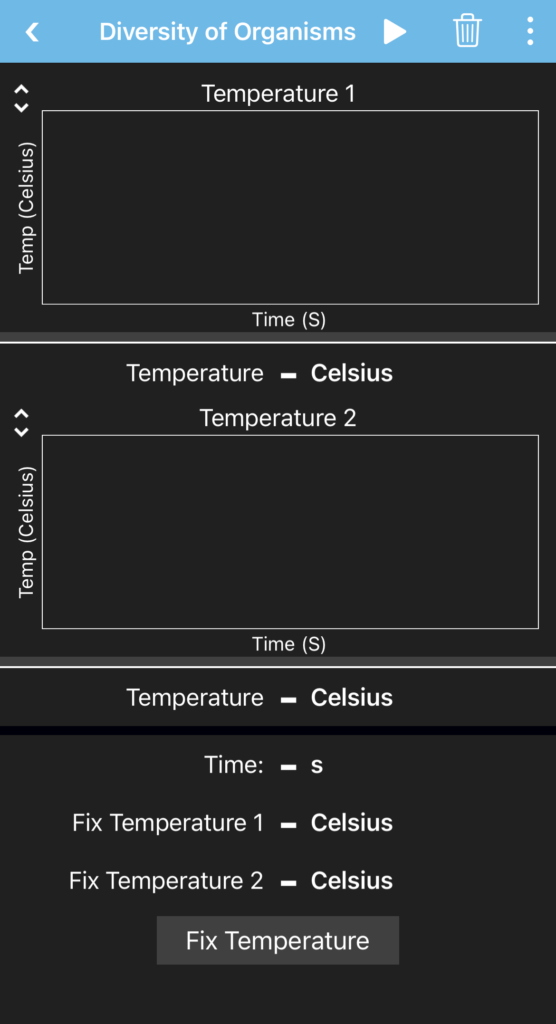
Calibrate and synchronize dual temperature probes to ensure both sensors provide consistent and accurate readings.
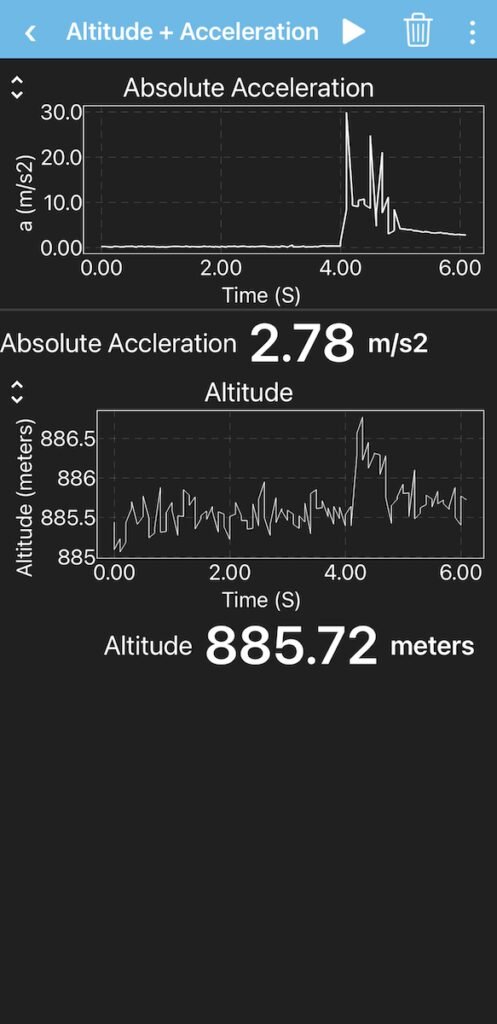
Altitude + Acceleration
The Rocket Launch Profile: Capture the “G-force” during takeoff and the exact altitude where the rocket reaches its peak—perfect for analyzing the flight physics of a model rocket.
The Elevator Physics Test: Measure the sudden spike in acceleration as an elevator starts moving and compare it to the steady change in altitude as you climb the building.
The “Bungee” Drop: Attach the sensors to a weight on a string (or a safe drop-test rig) to record the moment of “weightlessness” (0g) and how quickly the altitude decreases during freefall.
The Roller Coaster Tracker: If you’re at an amusement park or on a hilly bike ride, use these sensors to map out the “velocity vs. height” profile of the entire trip.
Altitude + Air Pressure
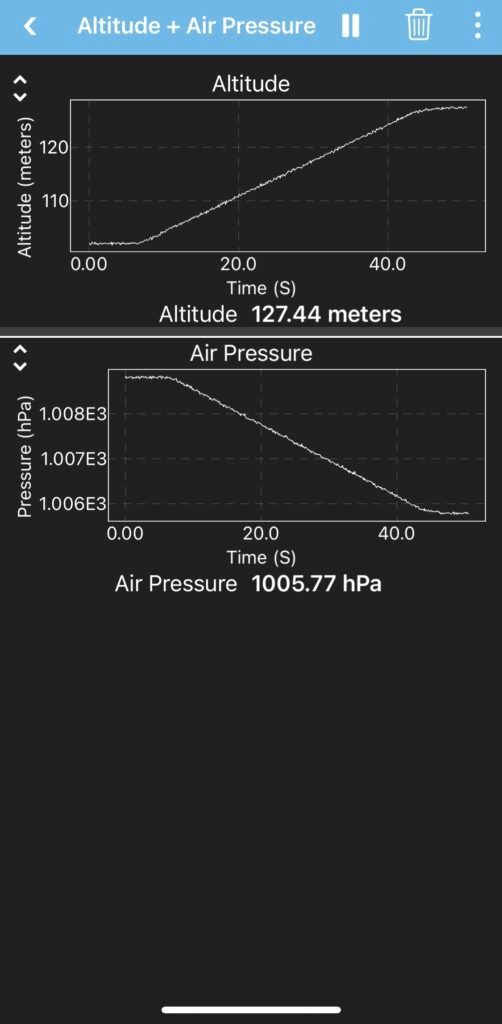
The Elevator Explorer: This experiment tracks real-time pressure changes during a vertical trip in a school elevator or up a flight of stairs—perfect for calculating the height of your building.
The DIY Weather Station: Monitor air pressure trends from your classroom window to predict local weather shifts and see how “low pressure” brings in the clouds.
The Bottle Rocket Tracker: Measure the peak altitude of a water bottle rocket during launch—an exciting way to see physics in action on the school football pitch.
The “Mountain” Hike: Carry the sensor from the ground floor to the top of a local hill or rooftop to see how the air “thins out” as you go higher.
Altitude + CO2
Altitude + CO2
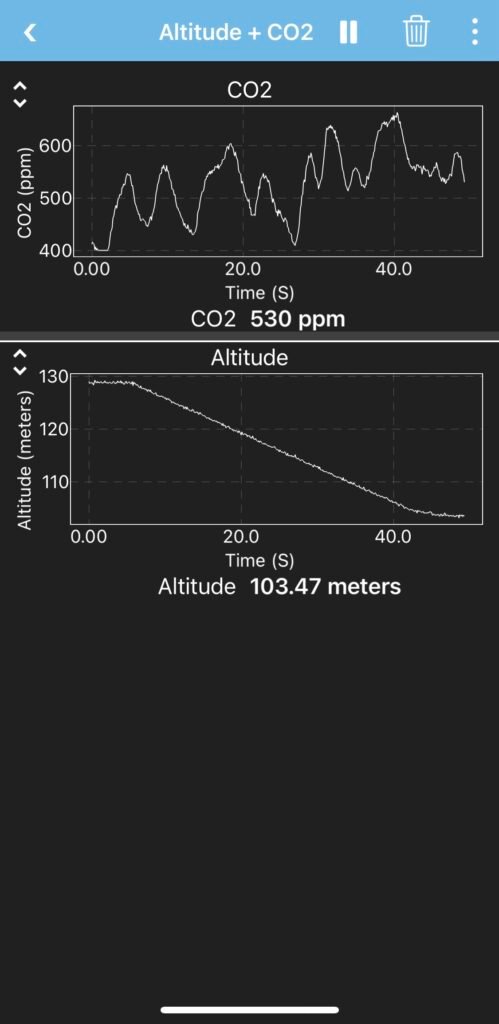
The Vertical Breath: Compare CO2 levels on the ground floor versus the school rooftop to see how air circulation and heavy city traffic affect the air we breathe at different heights.
The Urban Heat Island: Carry the sensors from a park to a busy intersection; this experiment maps how high CO2 concentrations often correlate with warmer, lower-altitude “pockets” in the city.
Stairwell Ventilation Check: Measure how CO2 builds up in enclosed school stairwells compared to open outdoor areas as you climb—a great way to study how fresh air moves through a building.
The Greenhouse Hike: Track how CO2 levels change as you move from a low-lying garden or forest up to a clear viewpoint, demonstrating how plants and elevation work together to clean the air.
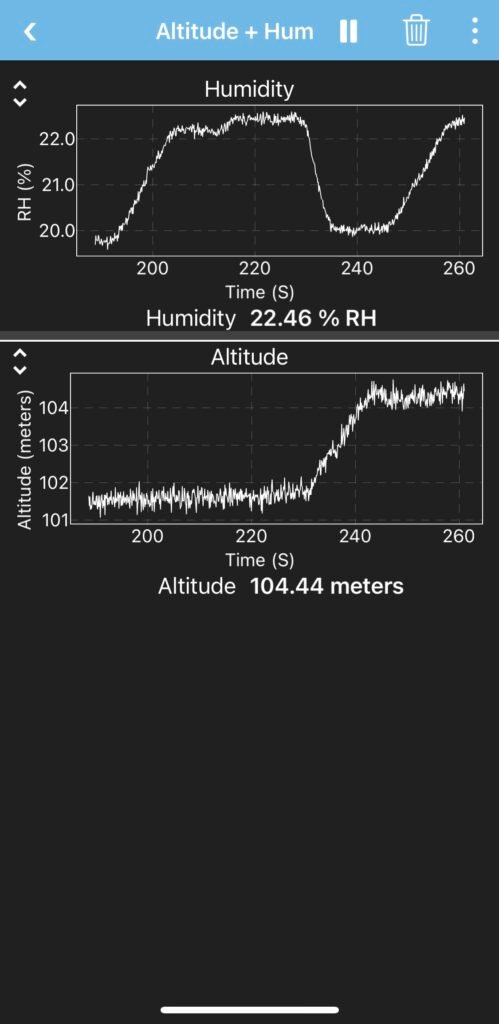
Altitude + Humidity
Altitude + Humidity
The Cloud Maker: Track how humidity rises as you climb a local hill or the school stairs—this experiment mimics how clouds form as moist air cools at higher altitudes.
The Vertical Garden Check: Compare moisture levels at the ground level versus a balcony or rooftop to see how elevation and wind affect how quickly plants dry out.
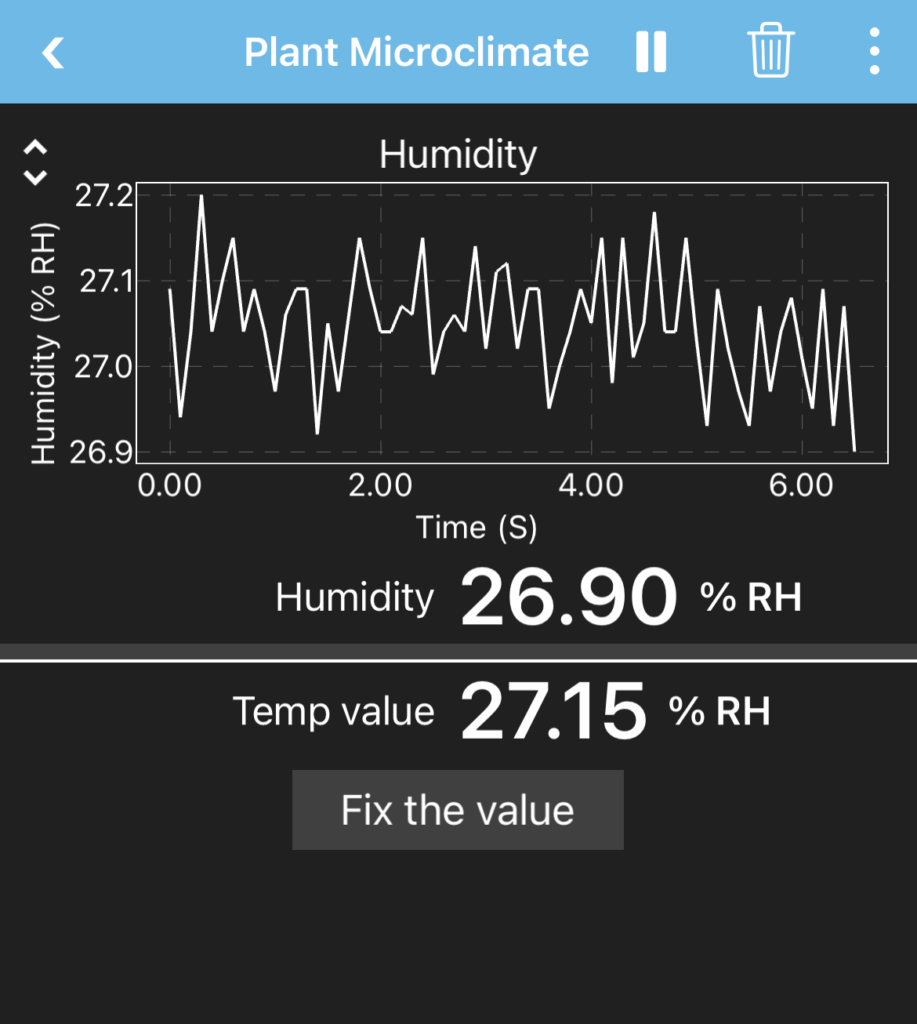
The Indoor “Microclimate” Map: Measure humidity changes between a damp basement and a sunny top-floor classroom to understand how building height affects air comfort.
The Fog Tracker: Use these sensors during a misty morning walk to find the exact altitude where the fog is thickest and see how it dissipates as you move higher.
Altitude + CO2 + Humidity
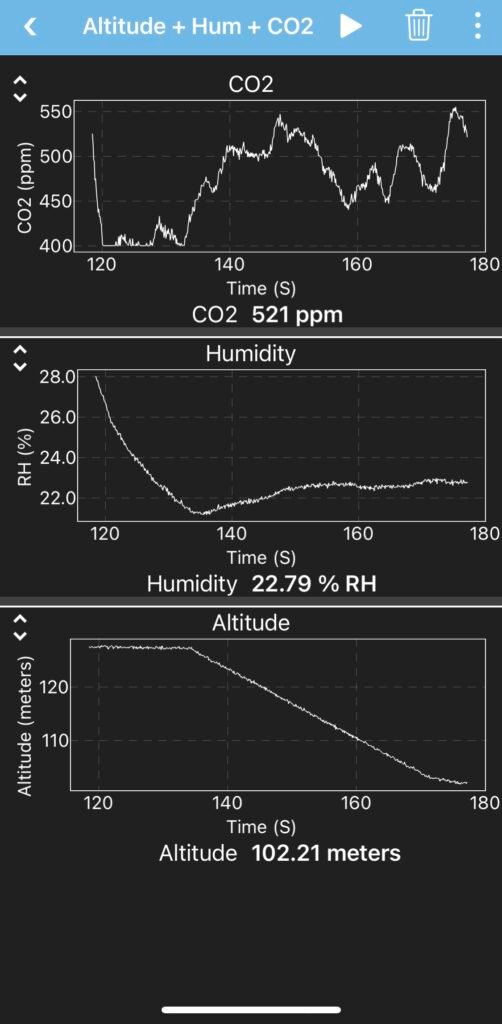
The Urban Microclimate Mapper: Carry these sensors from a park to a busy street corner to see how altitude, trapped CO2 from cars, and humidity levels create “hot spots” in your city.
The “Living Building” Breath Test: Measure all three from the school basement to the rooftop to map how fresh air, moisture, and CO2 circulate through different floors.
The Classroom Ventilation Check: Compare a crowded ground-floor classroom with an open-air balcony to see how human activity changes air quality and humidity at different heights.
The Vertical Garden Science: Track how plants on a high balcony affect local CO2 and humidity compared to the dry, dusty ground level—a perfect study on urban “green lungs.”
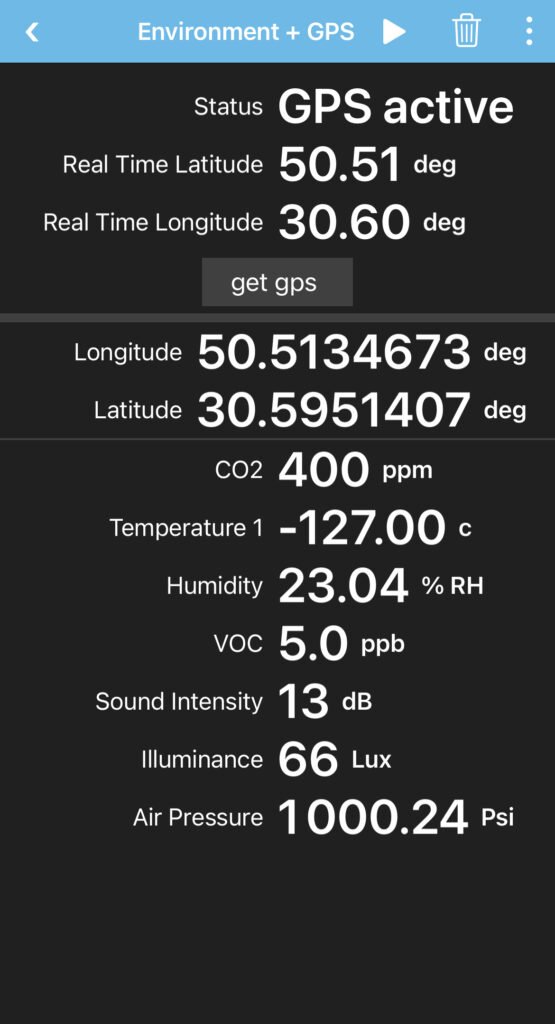
Environmental: Light + Sound + Humidity + Temperature + CO2 + VOC + Pressure
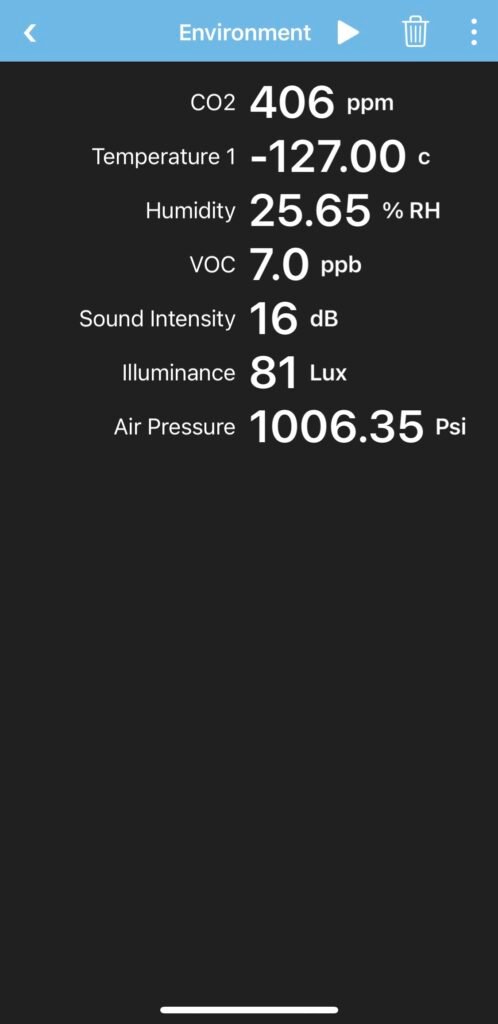
The Ultimate Classroom Health Check: Use this “all-in-one” setup to map your classroom’s comfort levels—track how light, noise, and air quality (CO2/VOCs) change throughout a busy school day.
The Urban Jungle Explorer: Carry these sensors from a quiet park to a busy city intersection to compare how traffic affects noise, heat, and chemical pollutants (VOCs) in the air.
The “Smart Building” Audit: Measure how opening a window or turning on AC affects everything from air pressure and temperature to the “freshness” of the air (VOCs/CO2).
The Indoor Garden Science: Monitor a school greenhouse or a plant-filled hallway to see how plants influence light levels, humidity, and the removal of airborne chemicals.
Light + Proximity
Light + Proximity
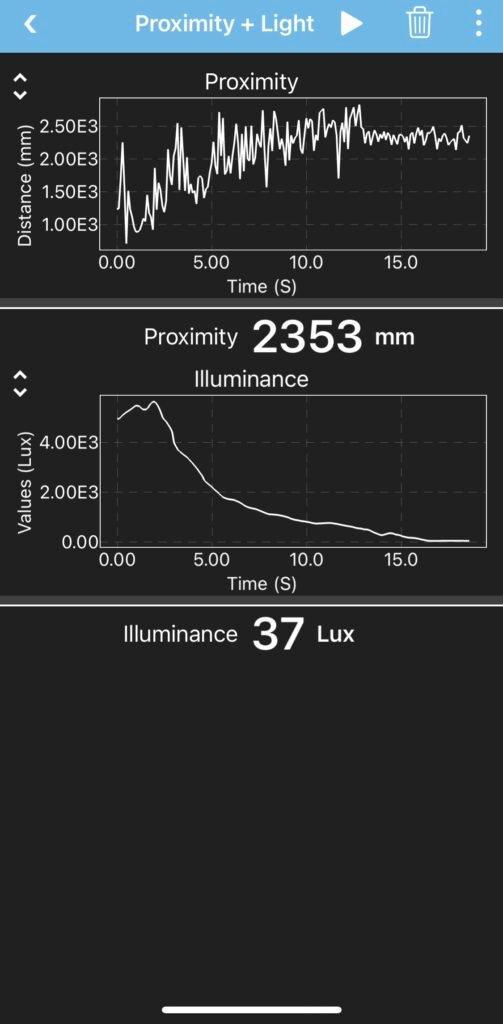
The Inverse Square Law Tracker: Measure how light intensity drops as an object’s proximity to the sensor changes—a perfect experiment for mapping the physics of light propagation.
The Shadow Density Study: Capture the exact moment light levels plummet as an object approaches the sensor, allowing you to measure the “opacity” and shadow footprint of different materials.
The Reflection Coefficient Test: Measure how much light bounces back from different surfaces (white paper vs. black cloth) as they move closer to the sensor, quantifying surface reflectivity.
The Urban Night-Sky Monitor: Use proximity to ensure no local obstacles are interfering while measuring ambient light pollution levels in different parts of the city at night.
Magnetometer + Proximity
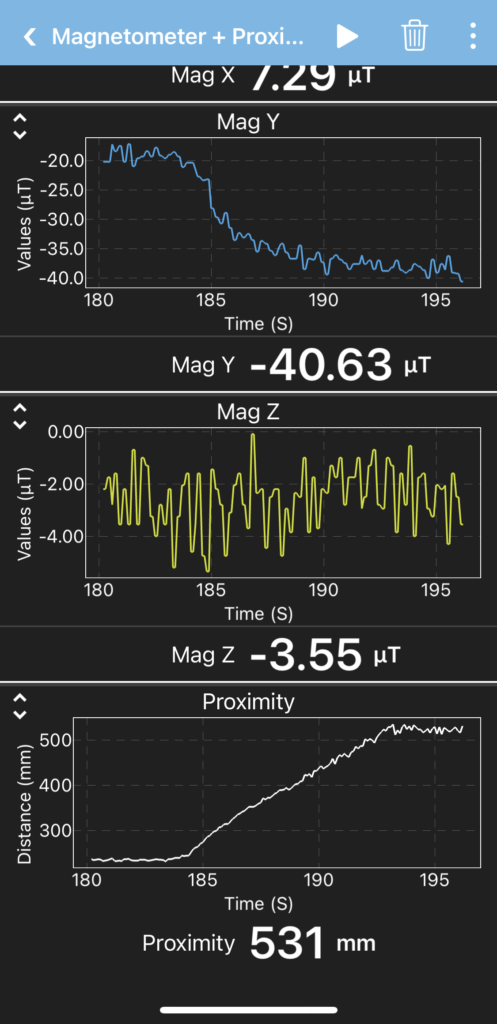
The Magnetic Field Mapper: Measure how the strength of a magnetic field drops as a magnet moves further away, allowing you to plot a precise “force vs. distance” graph for different materials.
Hidden Metal Detector: Move the sensors along a school wall or desk to detect hidden steel beams or screws by measuring small spikes in the magnetic field as you get closer to the surface.
The Inverse Cube Law Study: Record data to prove that magnetic force decreases much faster than light—a high-level physics experiment measuring the “pull” at specific proximity intervals.
The Motor Pulse Tracker: Measure the “magnetic heartbeat” of a spinning DC motor or a household fan, capturing how the magnetic flux changes as the blades pass in close proximity to the sensor.
Sound + Proximity
Sound + Proximity
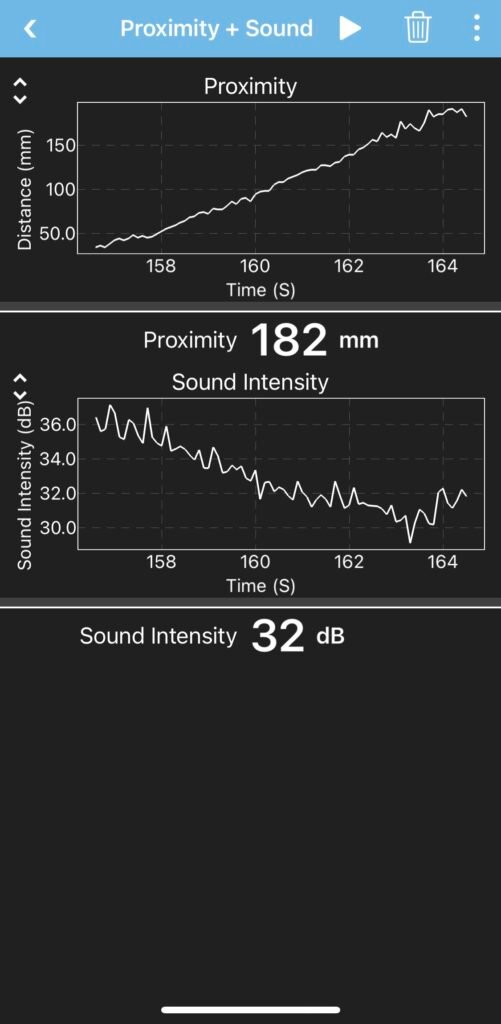
The Sound Decay Study: Measure how the decibel level of a constant sound source (like a buzzing phone or tuning fork) drops as it moves further away from the sensor.
The Echo Chamber Test: Capture sound reflections by measuring how the noise level changes as the sensor approaches a hard wall versus a soft, sound-absorbing cushion.
The “Passing Traffic” Profile: Record the peak volume and the exact distance of a moving object (like a toy car or a bicycle) as it passes close to the sensor.
The Doppler Effect Scout: Measure changes in sound intensity and frequency as a source approaches and then moves away, mapping the “sonic footprint” of a moving object.
Temperature + CO2
Temperature + CO2
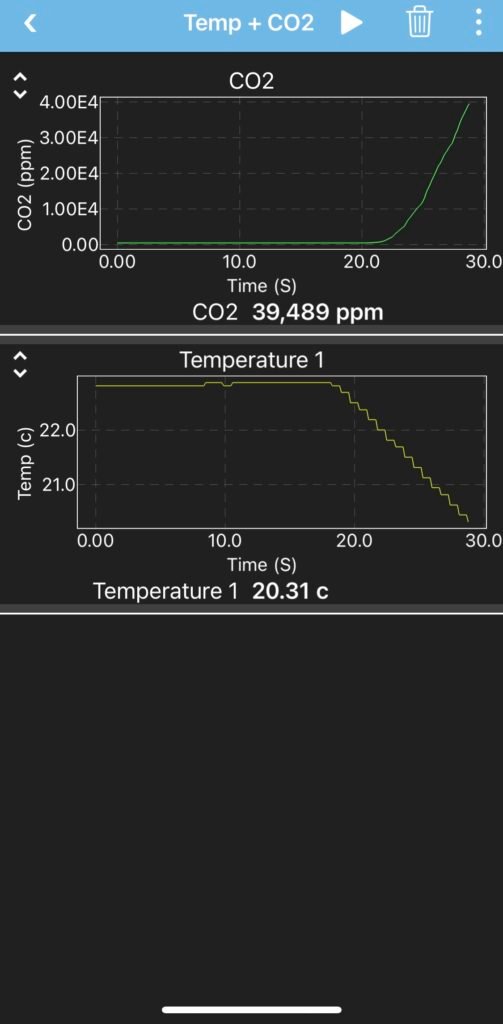
The Greenhouse Effect Simulation: Measure how trapping air in a glass jar or under a plastic cover causes both temperature and CO2 to rise—a perfect small-scale model of global warming.
The “Full Classroom” Study: Capture the steady climb of both heat and CO2 during a 45-minute lesson to see how human metabolism changes the room’s environment.
The Urban Heat Island Map: Compare data from a shaded park to a sun-baked asphalt parking lot to see how higher temperatures often correlate with trapped city pollutants.
The Night-Time Plant Breath: Record data overnight near a large indoor plant to see how it releases CO2 and affects local temperature while it “sleeps” without sunlight.
Temperature + Humidity
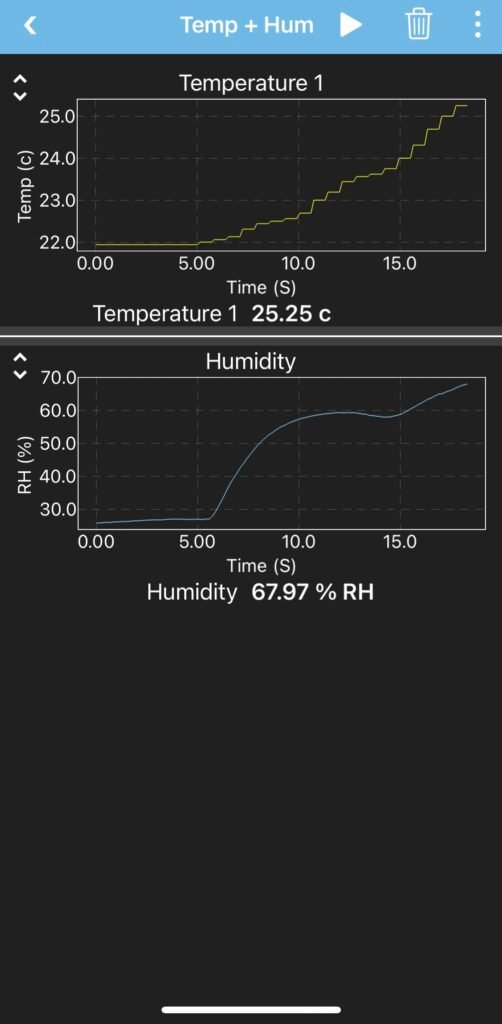
The Dew Point Discovery: Measure the exact point where high humidity and dropping temperatures cause condensation to form—perfect for understanding how dew and clouds are born.
The Heat Index Calculator: Capture data to see how “sticky” the air feels; this experiment demonstrates why high humidity makes the same temperature feel much hotter to the human body.
The Transpiration Tracker: Place the sensors near a large plant leaf and cover them with a clear bag to measure how much moisture a plant releases into the air as it warms up.
The Classroom Comfort Audit: Map the “dryness” of the air in different parts of the school to see how heating systems or open windows change the indoor climate for students.
Temperature + Humidity + CO2
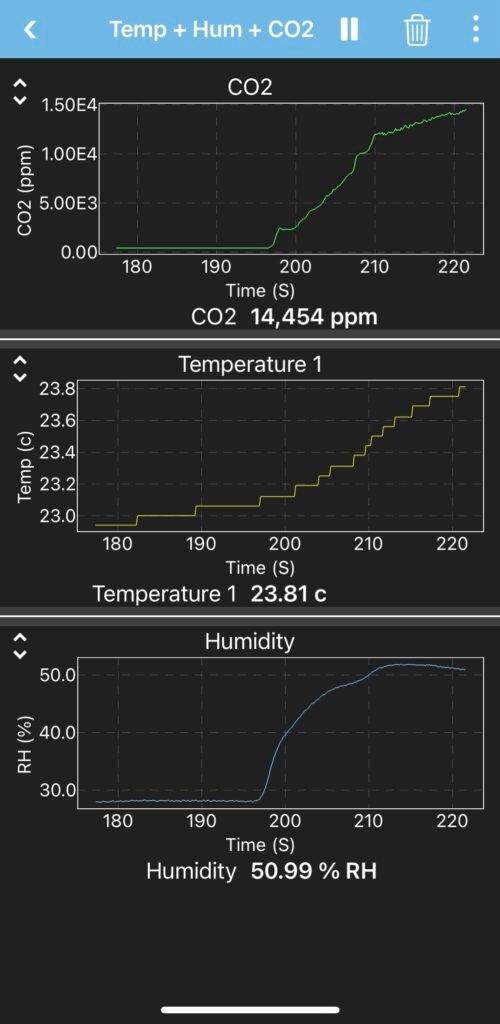
The Stale Air Study: Measure how CO2 and humidity levels climb together in a closed classroom, showing how human breathing affects air quality as the room warms up.
The Plant Respiration Lab: Track these three variables overnight near a large indoor plant to see how it releases moisture and CO2 while the temperature drops.
The “Smart Home” Comfort Map: Capture data near a heater or AC unit to see how changing the temperature affects the relative humidity and the “freshness” of the air.
The Urban Micro-Climate Test: Compare a shaded park to a sunny street corner to see how heat, trapped moisture, and city CO2 levels create different “breathability” zones.
Temperature + Pressure
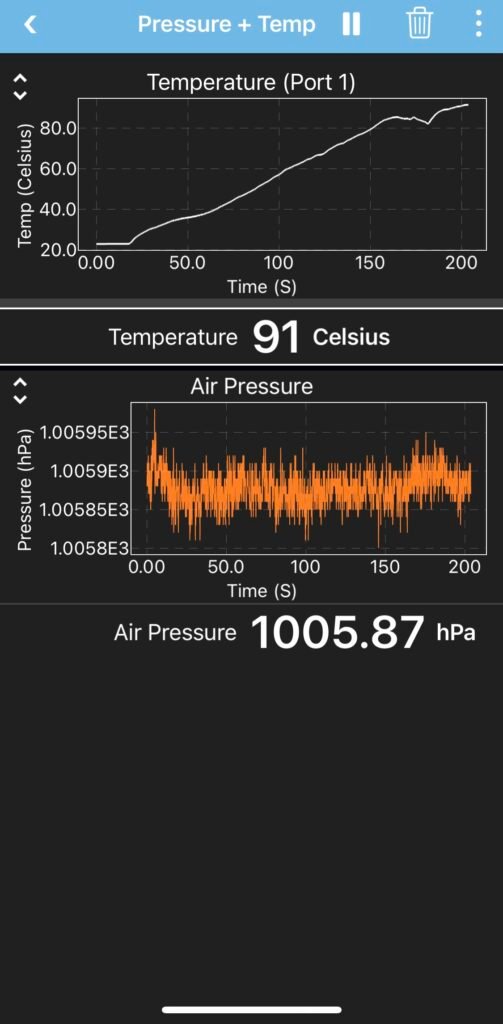
The Gas Law Lab: Record how air pressure increases as you heat a sealed container of air, providing real-world data to prove Gay-Lussac’s Law.
The “Vertical Weather” Profile: Carry the sensors from the school basement to the roof to see how both temperature and pressure drop as you gain altitude.
The Storm Warning System: Track how a sudden drop in air pressure often comes with a shift in temperature, helping you predict an incoming cold or warm front.
The Boiling Point Predictor: Measure the ambient pressure in your classroom to calculate the exact temperature water will boil at today—it’s rarely exactly 100°C!
Z Axis Acceleration + Proximity
Speed Slide Experiments
- The Speed Slide Challenge:
Measure Z-axis acceleration as an object moves down a slide while using the proximity sensor to detect the finish point. Discover how speed builds up during the descent and how gravity affects motion. - The Smooth vs. Rough Race:
Compare acceleration on different slide surfaces (smooth vs. rough) and use the proximity sensor to track stopping distance, revealing how friction impacts speed and motion. - The Angle Effect Test:
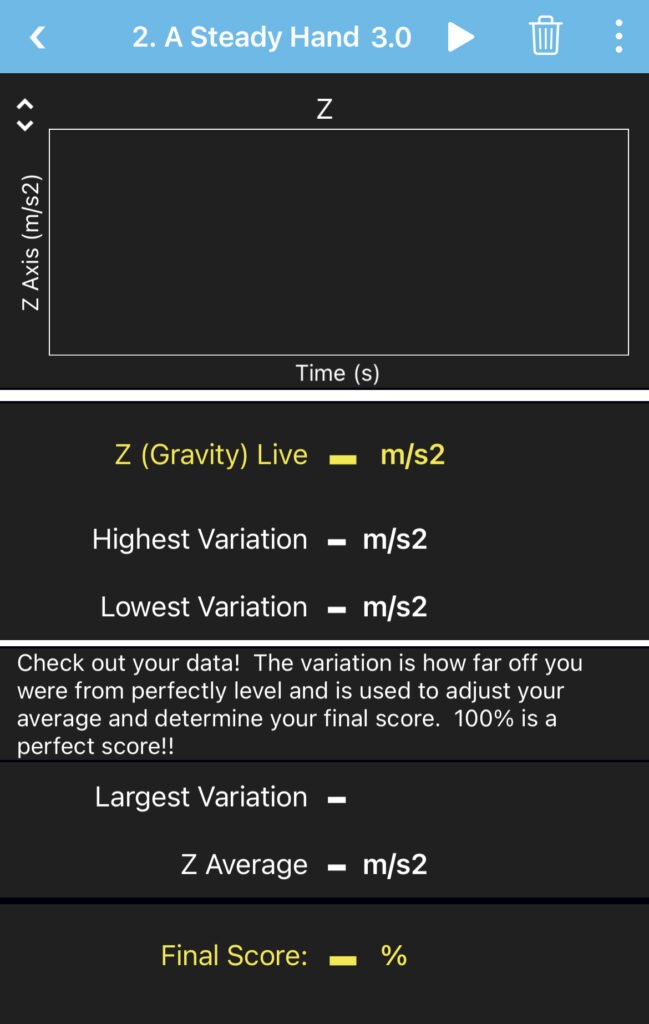
Change the angle of the slide and measure how Z-axis acceleration varies, while the proximity sensor helps determine how quickly the object reaches the end—showing how slope affects acceleration and travel time.
External Sensor Experiments
UV Sensor Experiments
- The Sunburn Risk Meter:
Measure real-time UV index throughout the day to determine when the sun is most dangerous, helping you understand when protection like sunscreen is essential. - The Shadow Effect Study:
Compare UV levels in direct sunlight, shade, and indoors to discover how different environments reduce UV exposure. - The Cloud Myth Buster:
Track UV radiation on sunny vs. cloudy days and reveal the surprising truth—clouds don’t block as much UV as you might think.
Soil Moisture Sensor Experiments
- The Smart Plant Guardian:
Monitor soil moisture over time to learn exactly when plants need watering, preventing both overwatering and drought stress. - The Soil Type Investigation:
Compare how quickly water drains through different soil types (sand, garden soil, clay) by measuring how long moisture levels stay high. - The Evaporation Race:
Track how fast soil dries under different conditions (sun vs. shade, indoors vs. outdoors) to understand the role of temperature and airflow.
Lego mission
The Lego Missions
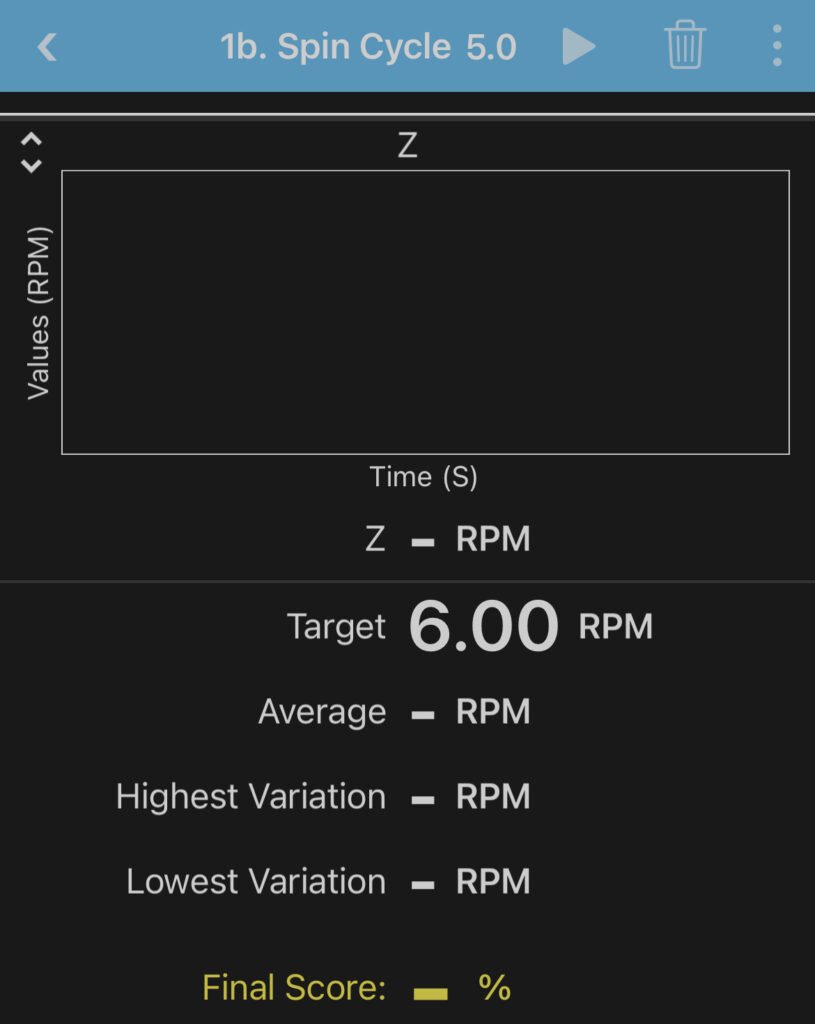
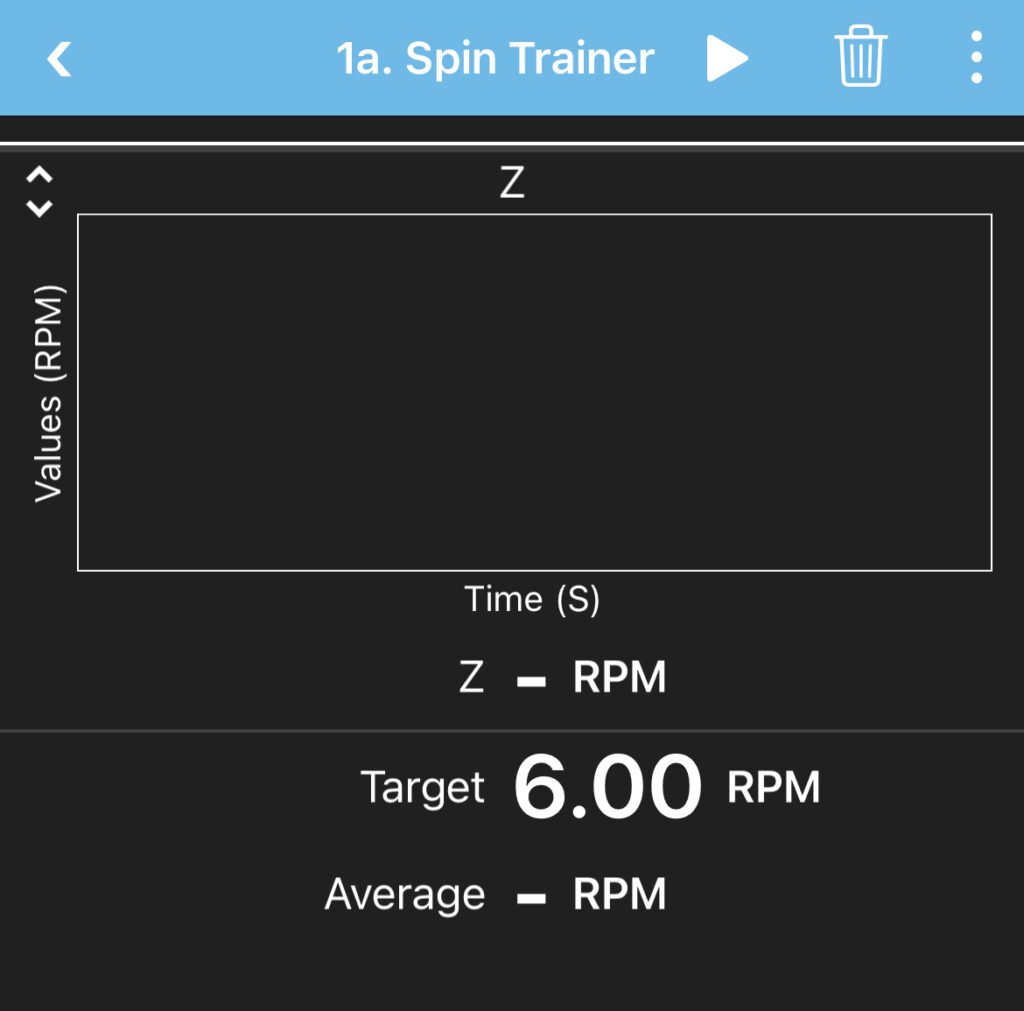
Spin Cycle
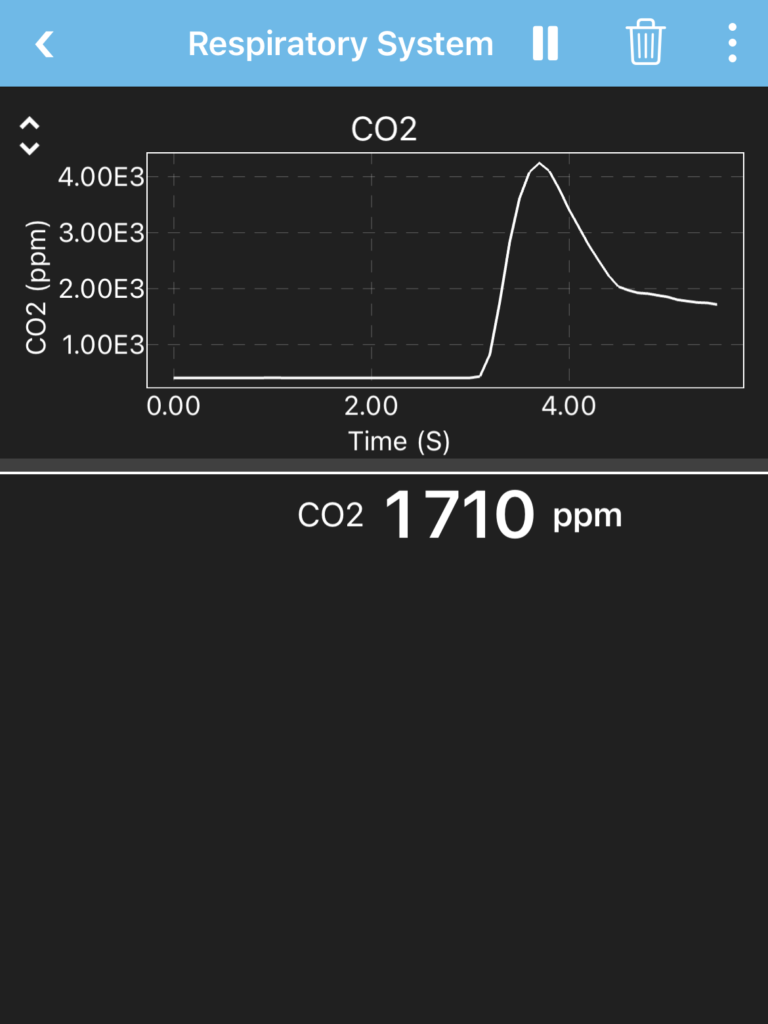
CO2 Detector
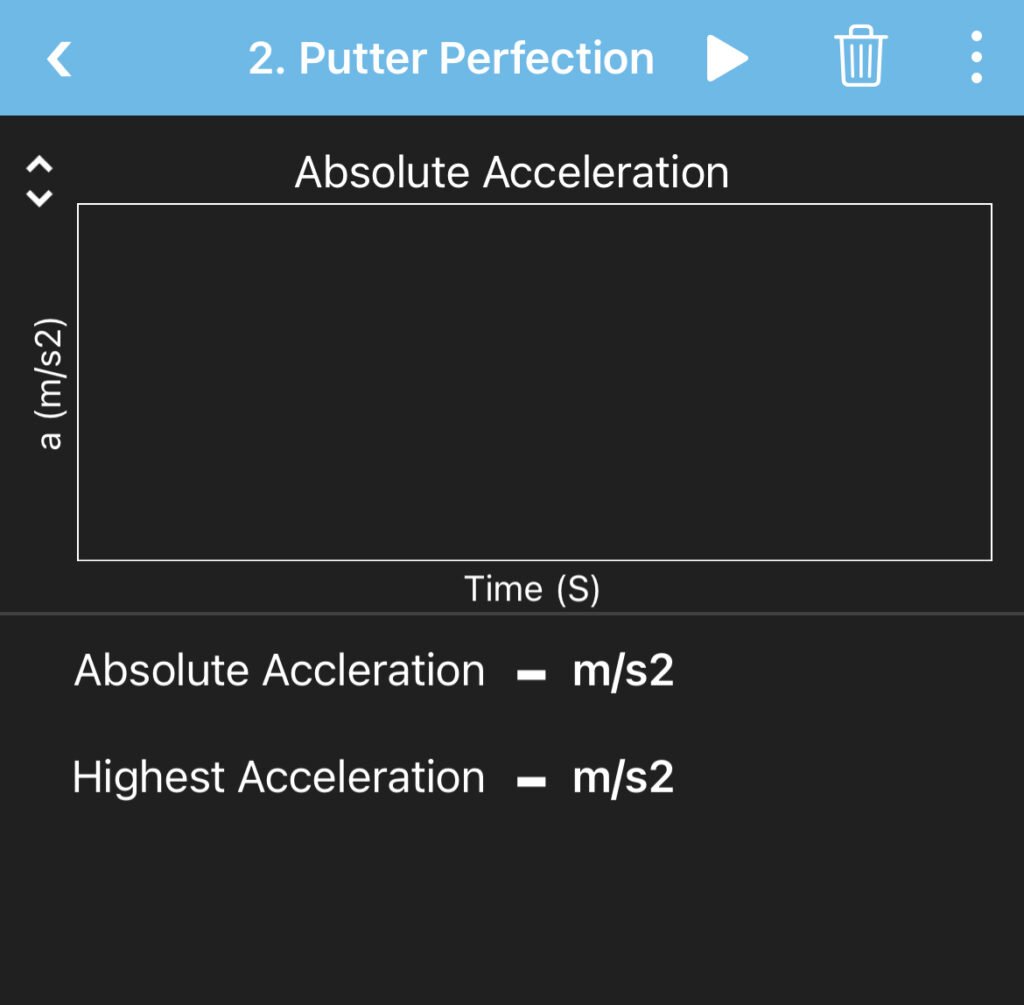
Putter Perfection
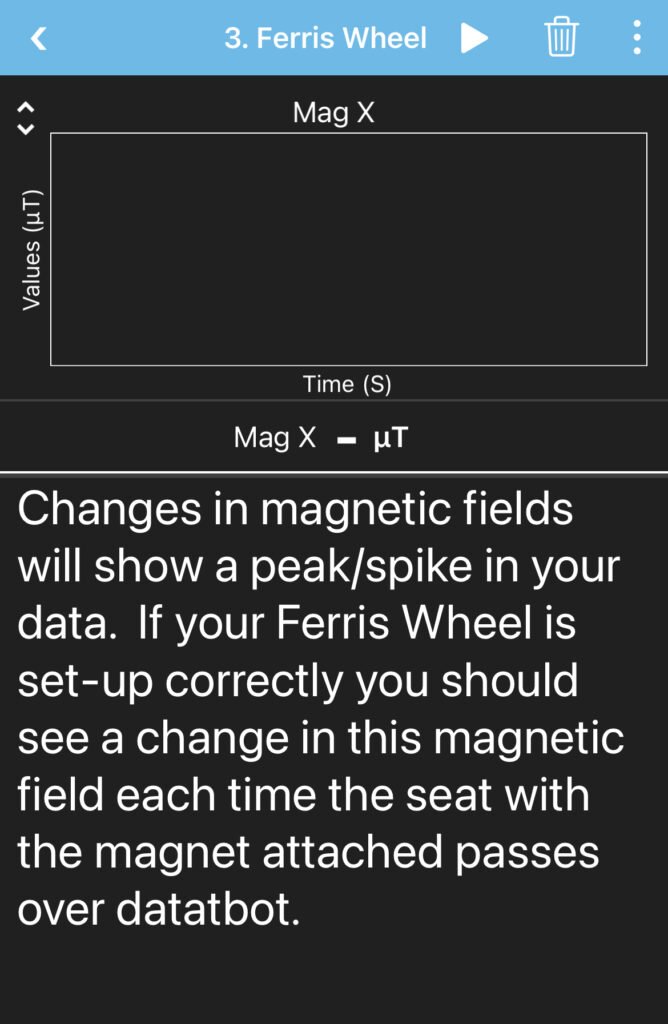
Ferris Wheel
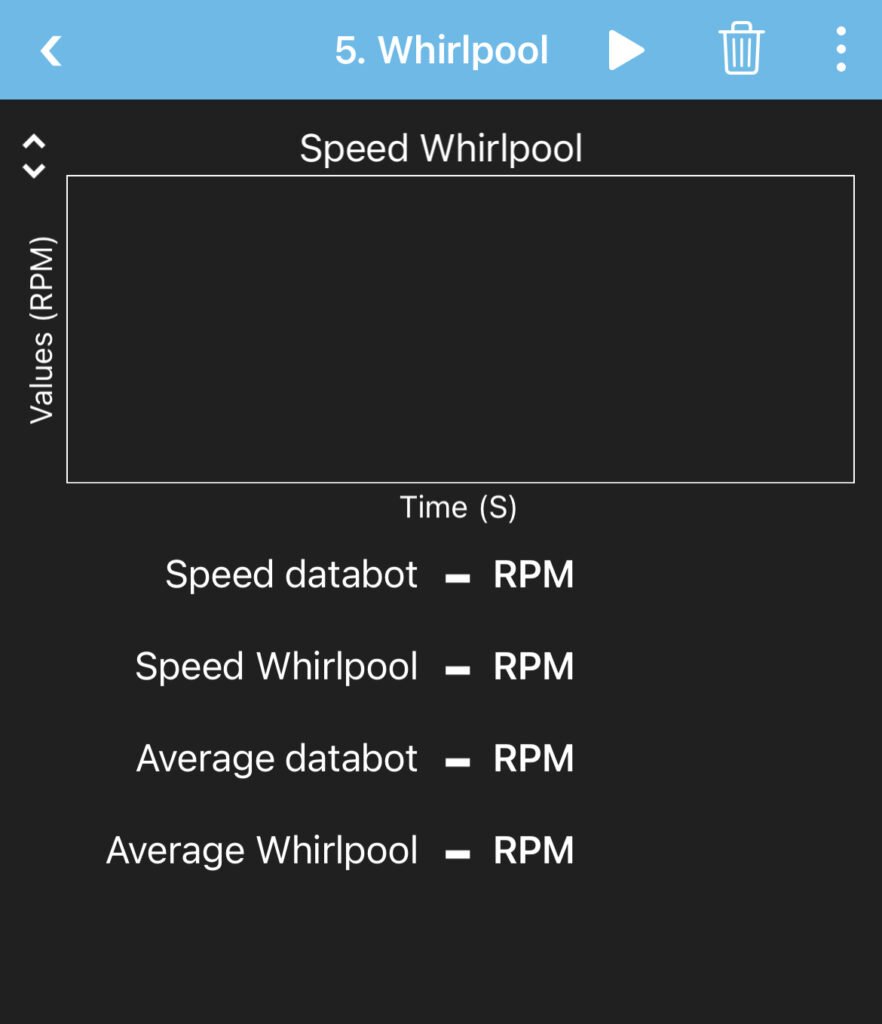
Whirlpool
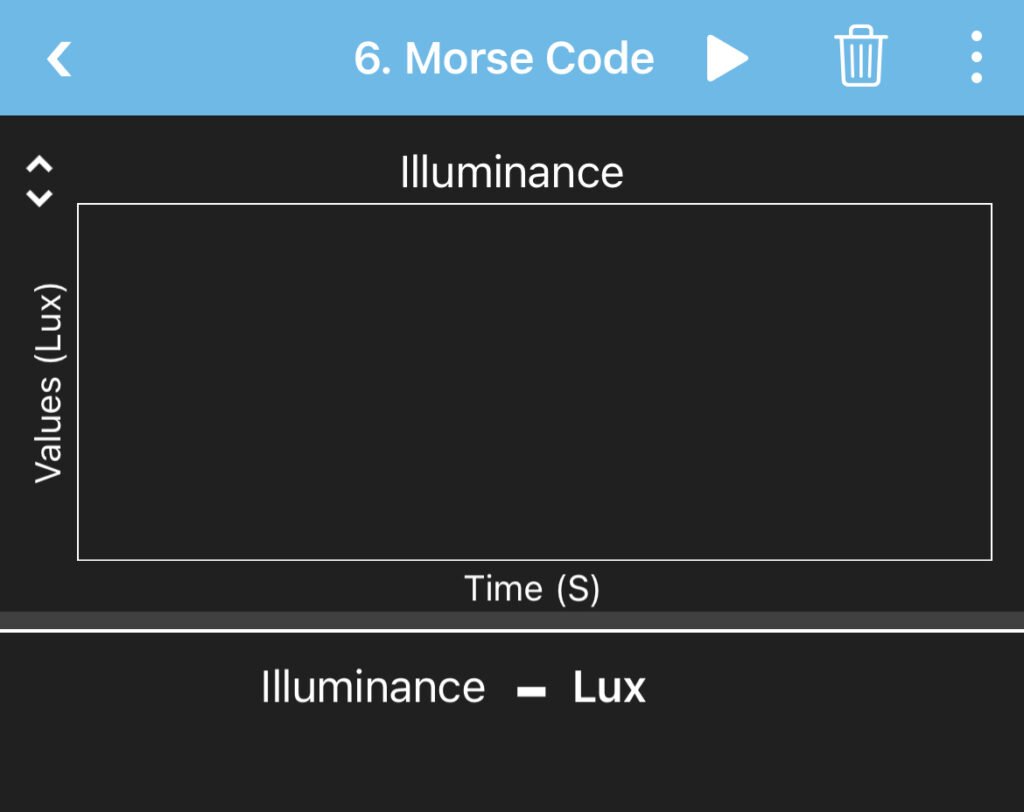
Morse Code
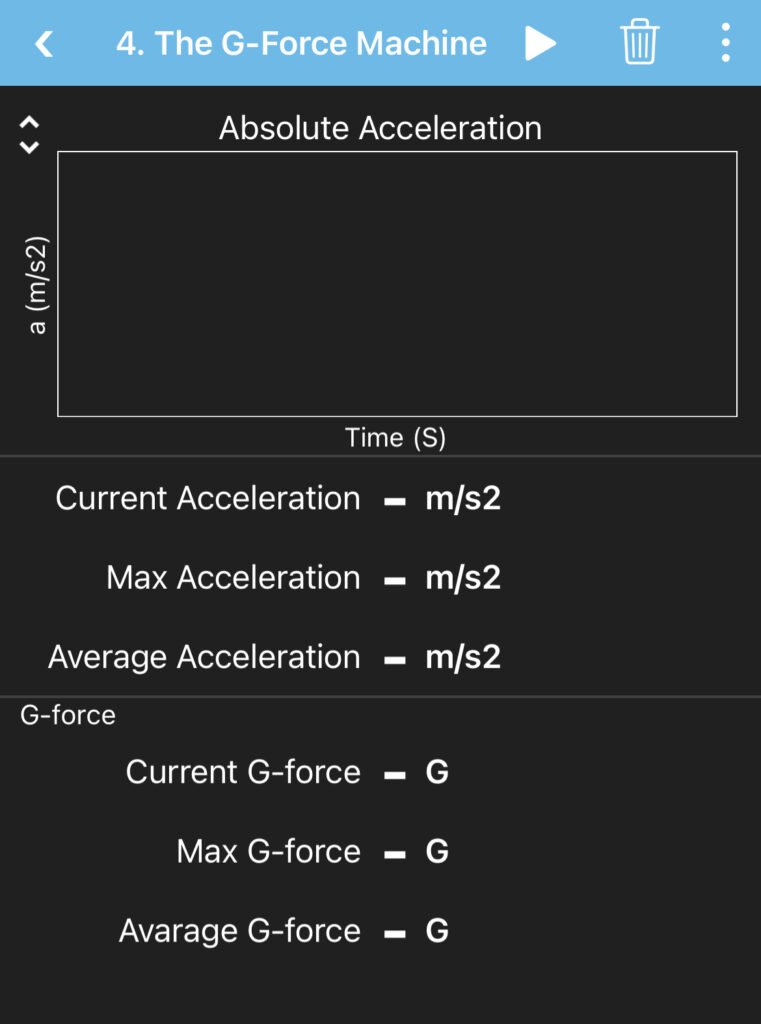
G-Machine
You’re Getting Warmer
Middle School Labs
Earth Science
Clear Water
Clear Water
You will simulate water pollution by introducing common contaminants and then use various filtration methods to purify the water. This experiment will provide valuable insights into the science of water purification.
Weather Prediction
Weather Prediction
Using databot™ sensors, you will investigate atmospheric variables such as temperature, pressure, and humidity to understand how weather develops and changes over time.
Life Science
Physical Science
Discovery of Data Summer Camp
Summer Camp | Day 1
Summer Camp | Day 2
Summer Camp | Day 3
Summer Camp | Day 4
Summer Camp | Day 5
Summer Camp | Day 6
Summer Camp | Day 7
Summer Camp | Day 8
Summer Camp | Day 9
Summer Camp | Day 10
Summer Camp | Day 11
Summer Camp | Day 12
Missions with LEGO Robotics
Lego Missions Set
The Lego Missions
Spin Cycle
CO2 Detector
Putter Perfection
Ferris Wheel
Whirlpool
Morse Code
G-Machine
You’re Getting Warmer