
The Magic of Photosynthesis
Photosynthesis is one of the most remarkable natural processes on our planet, quietly powering life by transforming sunlight into energy. Although it happens around us every day, most learners rarely have the chance to see it in action. This simple and engaging STEM experiment changes that. By using aquatic plants, a strong light source, and the databot light sensor, students can observe oxygen production in real time and explore how plants respond to different levels of illumination. The experiment creates a clear and captivating demonstration of photosynthesis, making classroom science both visual and unforgettable.
How Plants Turn Light into Energy
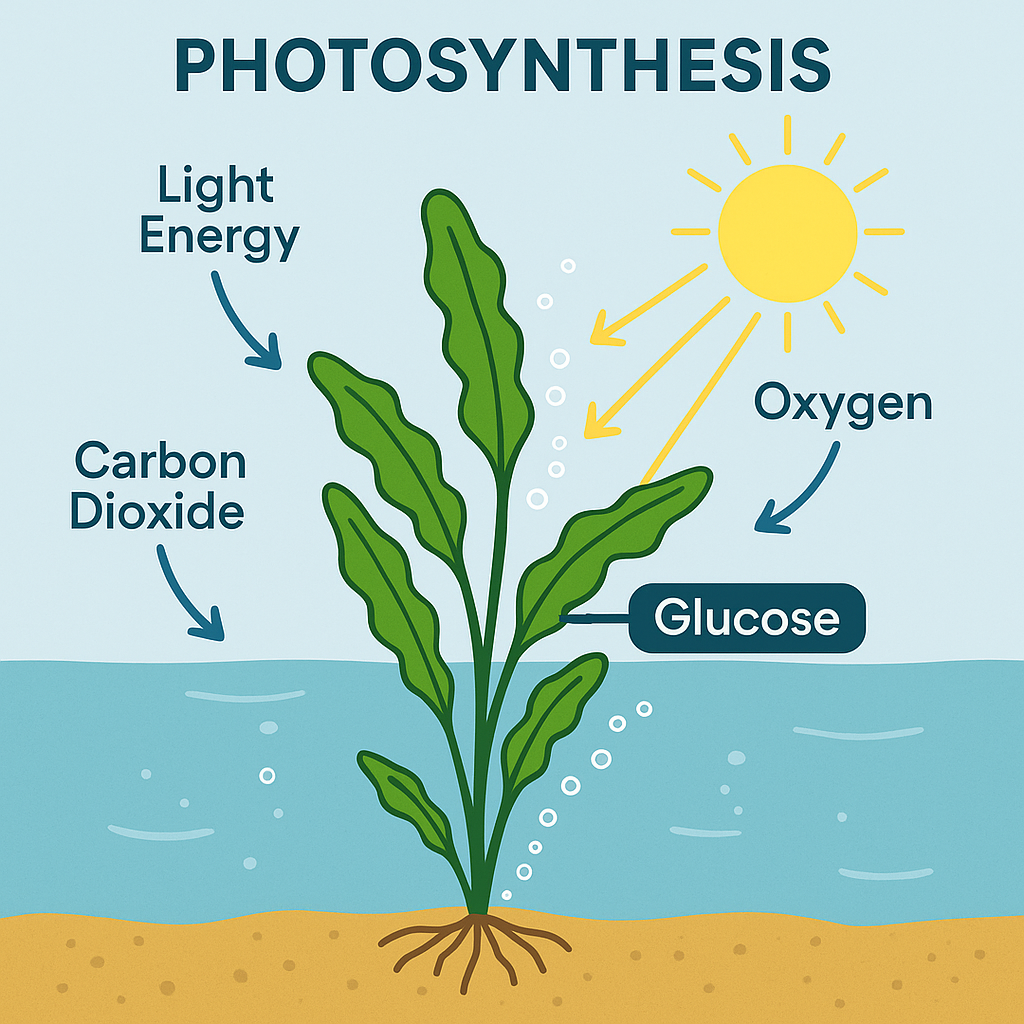
Photosynthesis is the process that allows plants to capture light and turn it into energy for growth. To do this, a plant absorbs water and carbon dioxide and uses sunlight to produce glucose. Oxygen is released as a natural byproduct of this reaction. In aquatic plants this oxygen appears as tiny bubbles that rise through the water, making the entire process visible to the human eye. When the light becomes stronger the plant receives more energy and begins to release oxygen more actively, creating a perfect opportunity for a hands on classroom observation. This experiment helps learners understand what normally remains hidden and shows how essential light is for plant life.
Real Time Photosynthesis and the Power of Measurement
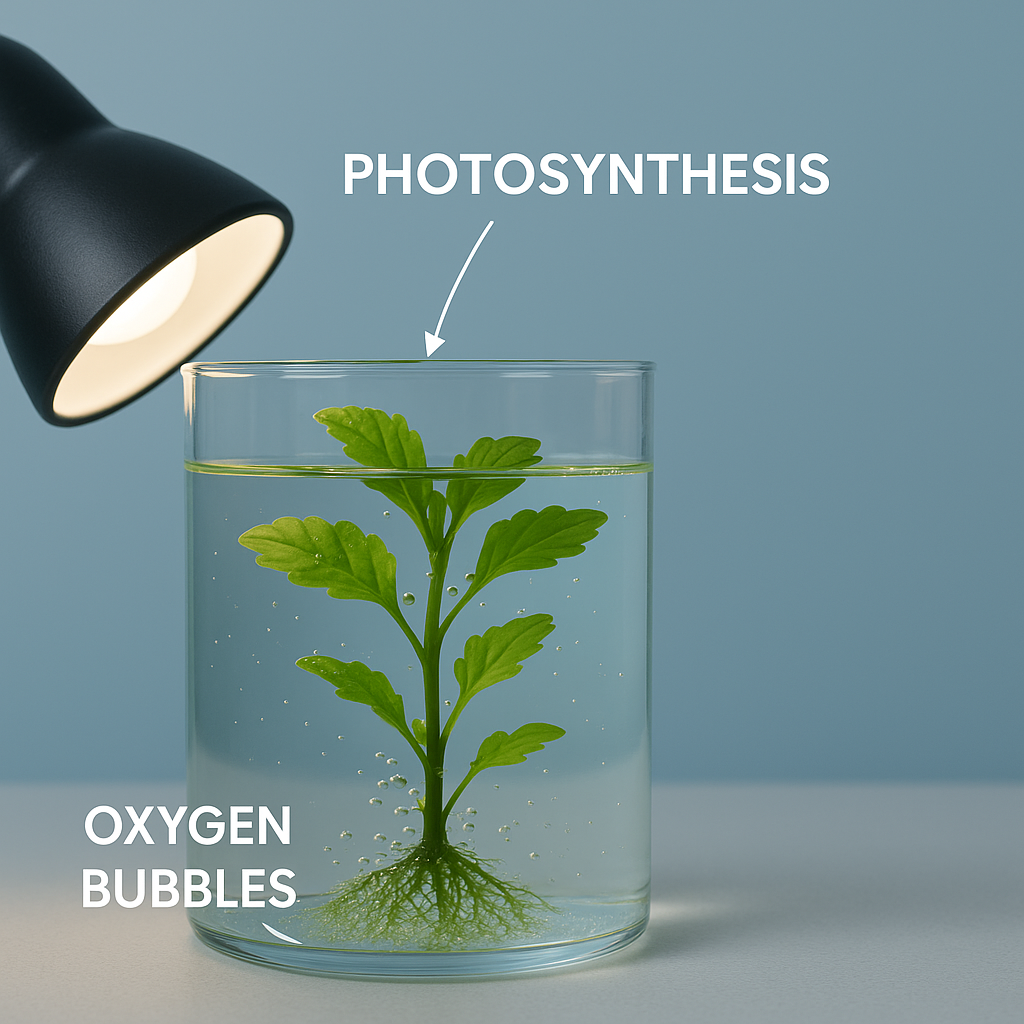
In this experiment students place an aquatic plant under a strong light source and observe photosynthesis as it happens. As the light reaches the plant it begins to release tiny oxygen bubbles that rise through the water. The most visible streams often appear near the roots where oxygen collects before moving upward. This creates a moment of scientific wonder as learners watch a normally invisible process come to life right before their eyes.
To make the observation more precise students use databot with its built in light sensor. The sensor measures the exact amount of light reaching the plant and helps connect changes in illumination to the number of oxygen bubbles produced. By comparing light intensity with visible oxygen release the experiment becomes both accurate and scientifically meaningful giving students a clear understanding of how light drives photosynthesis.
Our Experimental Results
We carried out our photosynthesis experiment using “Vallisneria spiralis”, a common aquatic plant known for its clear oxygen release patterns. The light source was a powerful 13,000 lumen flashlight, and all measurements of light intensity were taken with databot to ensure accurate and consistent data.
Once the light was directed at the plant, the first oxygen bubbles appeared after six minutes. The earliest and strongest bubbles were observed near the root area, so we recommend that students pay special attention to this part of the plant when conducting their own experiment.
You can watch the entire process in the video below where the moment of first oxygen release is clearly visible.
If this experiment captured your interest and you would like to try it yourself, you can explore our full lesson and repeat the entire laboratory activity step by step. The lesson provides clear instructions, measurement tables, explanations of each stage, and guidance on using both the light source and the databot sensor. It is a wonderful opportunity to turn photosynthesis into a vivid and engaging scientific experience, allowing you to watch how light fuels the plant and brings streams of oxygen bubbles to life.